Category: Uncategorized

  • AI Automation: 10 Powerful Ways AI Can Do

    Introduction

    Artificial intelligence has quickly become one of the most important technologies in the digital world. From chat bots and content creation to customer service and data analysis, AI is helping people complete tasks faster and more efficiently. One of the biggest developments in this area is AI automation.

    AI automation combines artificial intelligence with automated workflows to perform tasks with less manual effort. Instead of completing the same repetitive activities every day, individuals and businesses can use AI-powered systems to handle many of these processes automatically.

    For example, AI automation can help a business respond to customer questions, organize information, generate reports, manage emails, create content, and analyze data. This allows employees to spend more time on creative thinking, strategy, communication, and other tasks that require human judgment.

    In this article, we will explore what AI automation is, how it works, its benefits, common applications, challenges, and how businesses can start using it effectively.

    What Is AI Automation?

    AI automation is the use of artificial intelligence to perform tasks or manage workflows with minimal human intervention. It combines AI technologies with automation systems to make processes faster, smarter, and more efficient.

    Traditional automation usually follows a fixed set of rules. For example, an automated system might send an email whenever someone fills out a form. AI automation can go further by analyzing the information, understanding the user’s request, and deciding what type of response is appropriate.

    AI automation can use technologies such as machine learning, natural language processing, computer vision, and generative AI. These technologies allow systems to process information, identify patterns, understand language, and generate useful responses.

    A simple example is an AI customer support system. When a customer asks a question, the system can understand the question, search available information, generate an appropriate answer, and provide the response automatically.

    How Does AI Automation Work?

    AI automation generally works through a combination of data, artificial intelligence, and automated workflows.

    1.Data or Input

    The process starts when the system receives information. This could be an email, customer question, document, form submission, image, or other type of data.

    2. AI Processing

    The AI system analyzes the information and determines what it means. Depending on the task, it may classify the information, identify patterns, summarize content, or generate a response.

    3. Decision Making

    After processing the information, the system determines what action should happen next. Some workflows use predefined conditions, while AI-based systems can make decisions based on the information they receive.

    4. Automated Action

    The automation platform then performs the required action. It might send an email, update a database, create a document, notify a team member, or move information between different applications.

    This process can happen within seconds, allowing businesses to create faster and more efficient workflows.

    Benefits of AI Automation

    AI automation can provide significant benefits when it is implemented correctly.

    Saves Time

    One of the biggest advantages of AI automation is saving time. Repetitive tasks can consume hours every week. Automating these processes allows employees to focus on higher-value activities.

    For example, instead of manually sorting hundreds of emails, an AI-powered workflow can categorize messages and send important information to the appropriate team.

    Improves Productivity

    Automation can help employees complete more work without increasing the amount of manual effort. When routine processes are automated, teams can spend more time on planning, creativity, research, and customer relationships.

    Reduces Repetitive Work

    Many business processes involve repetitive activities such as copying information, sending notifications, organizing files, and entering data. AI automation can reduce the amount of manual work required for these tasks.

    Can Reduce Human Errors

    Manual processes can sometimes result in mistakes, especially when people repeatedly perform the same task. Automated workflows can follow consistent instructions and reduce errors in suitable processes.

    However, important outputs should still be reviewed by humans when accuracy is critical.

    Improves Customer Experience

    Businesses can use AI automation to provide faster customer support. AI-powered chat bots can answer common questions, provide information, and direct complex requests to human employees.

    This can help customers receive assistance without waiting for a person to respond to every simple question.

    Supports Better Decision Making

    AI systems can process large amounts of information and identify patterns that may be difficult to notice manually. Businesses can use these insights to understand customers, monitor operations, and support decision-making.

    Common Uses of AI Automation

    AI automation can be used in many industries and departments.

    AI Automation in Marketing

    Marketing teams can use AI automation for content ideas, email campaigns, customer segmentation, social media workflows, and reporting.

    For example, a marketing workflow can collect customer information, categorize leads, send personalized messages, and notify a sales team when a potential customer shows interest.

    AI Automation in Customer Support

    Customer support is another common area for AI automation. AI chat bots can answer frequently asked questions and help customers find information.

    When a question is too complex, the system can transfer the conversation to a human support representative.

    AI Automation for Content Creation

    AI tools can assist with brainstorming, outlines, summaries, social media posts, and other forms of content. Automated workflows can also move information between different tools.

    Human review remains important, particularly for factual accuracy, originality, tone, and quality.

    AI Automation in Sales

    Sales teams can automate lead management, follow-up reminders, customer communication, and data organization.

    For example, when a potential customer submits a form, an automated system can record the information, classify the lead, and notify the appropriate salesperson.

    AI Automation in Data Management

    Businesses generate large amounts of data every day. AI automation can help organize, categorize, summarize, and process information.

    This can be particularly useful for businesses that manage large numbers of documents, customer records, or reports.

    AI Automation vs Traditional Automation

    Traditional automation and AI automation are related but not exactly the same.

    Traditional automation generally follows predefined rules. If a specific condition occurs, the system performs a predetermined action.

    AI automation can use artificial intelligence to interpret information and handle situations that may not follow one simple rule.

    For example, traditional automation might send the same email to every person who submits a form. AI automation could analyze the submitted information and generate a more relevant response based on the user’s request.

    This does not mean AI automation is always better. Traditional automation can be simpler, cheaper, and more predictable for straightforward tasks. AI is most useful when a workflow involves language, large amounts of information, classification, prediction, or content generation.

    Challenges of AI Automation

    Although AI automation offers many advantages, businesses should also understand its limitations.

    Data Privacy

    AI systems may process sensitive business or customer information. Organizations should understand how their tools handle data and use appropriate privacy and security practices.

    Accuracy

    AI can sometimes produce incorrect or incomplete information. Automated systems should therefore be tested and monitored, especially when they are used for important business processes.

    Implementation Costs

    Some AI automation solutions require software subscriptions, development, training, or integration with existing systems. Businesses should evaluate whether the expected benefits justify the investment.

    Human Oversight

    Automation should not remove human judgment from every process. Employees should remain involved where decisions require experience, responsibility, creativity, or careful evaluation.

    How to Start Using AI Automation

    Businesses do not need to automate everything at once. A better approach is to start with a simple and repetitive process.

    First, identify a task that takes a significant amount of time. Then, determine whether the process can be standardized and whether AI can improve it.

    Next, choose an appropriate AI or automation tool and create a small workflow. Test it carefully before using it across the entire organization.

    After implementation, monitor the results and make improvements. Over time, successful workflows can be expanded to other areas of the business.

    A simple starting workflow could look like this:

    Customer Form → AI Analysis → Database Update → Automated Email → Team Notification

    This type of workflow can reduce manual work while keeping employees involved when necessary.

    The Future of AI Automation

    AI automation is likely to become increasingly common as AI systems become more capable and businesses become more comfortable using them.

    Future workflows may connect multiple applications and allow AI systems to perform more complex tasks. Businesses may use AI automation to manage customer interactions, analyze information, support employees, and improve operational processes.

    However, the future of automation is not only about technology. Businesses will also need people who understand how to design workflows, evaluate AI outputs, protect data, and make responsible decisions.

    The most successful organizations are likely to combine automation with human skills rather than treating AI as a complete replacement for people.

    Frequently Asked Questions About AI Automation

    What is AI automation in simple words?

    AI automation means using artificial intelligence to perform tasks and manage workflows automatically or with limited human involvement. It can help reduce repetitive work and improve efficiency.

    Is AI automation useful for small businesses?

    Yes. Small businesses can use AI automation for tasks such as customer support, email management, marketing, data organization, and lead follow-ups. Starting with small workflows can make implementation easier.

    Does AI automation replace human workers?

    AI automation can reduce the need for some repetitive tasks, but many business activities still require human creativity, judgment, communication, and decision-making. In many situations, AI works best as a tool that supports people.

    Is AI automation difficult to learn?

    Basic AI automation can be relatively easy to start with, especially with modern no-code and low-code tools. More advanced systems may require technical knowledge, programming, or professional assistance.

    What is the first step toward AI automation?

    The first step is to identify a repetitive task that takes time and determine whether it can be improved through AI and automation. Start with a small workflow, test it, and improve it before expanding.

    Conclusion

    AI automation is changing how individuals and businesses approach everyday work. By combining artificial intelligence with automated workflows, organizations can reduce repetitive tasks, save time, improve productivity, and create more efficient processes.

    From marketing and customer support to sales and data management, AI automation has applications across many areas. However, successful implementation requires more than simply adding an AI tool. Businesses need to consider data privacy, accuracy, costs, security, and human oversight.
  • Cybersecurity: 7 Essential Reasons Why it Matters today

    Cybersecurity: 7 Essential Reasons Why it Matters today

    cybersecurity in the digital age

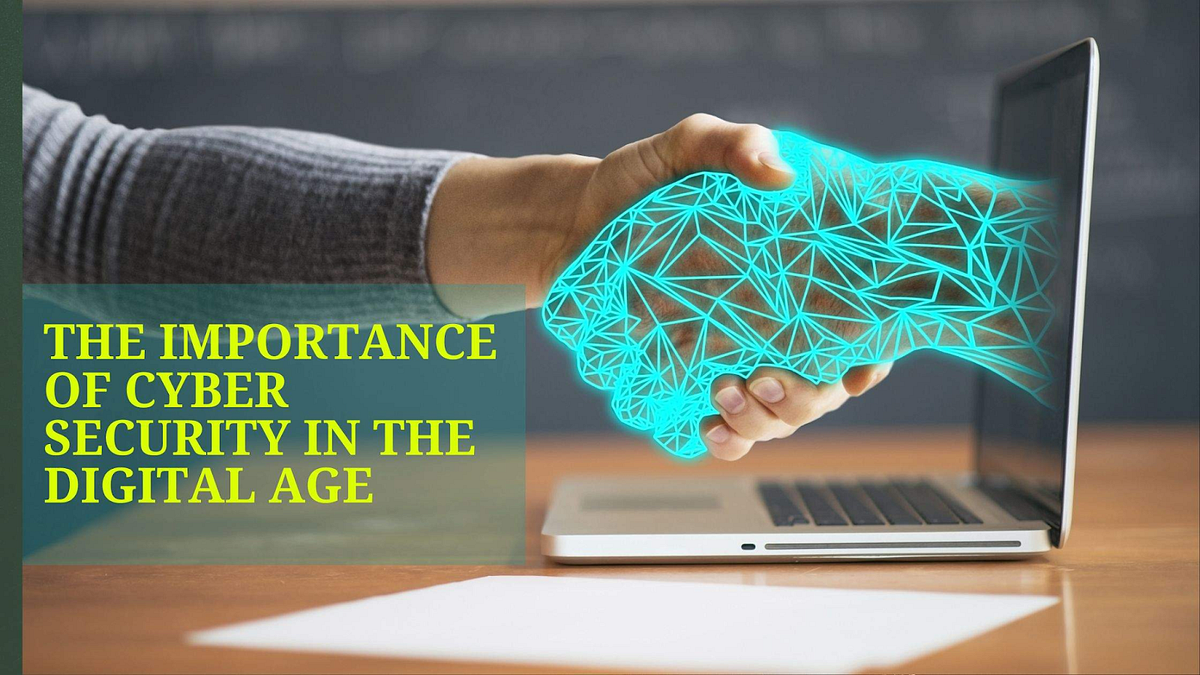
    Cybersecurity in the Digital Age is one of the most crucial matters addressed worldwide. Learn more about our company on the About Us page. The development of technology has made people’s lives around the globe easier. Today, people use the Internet to communicate, manage personal finances, shop, learn, access healthcare services, and entertain themselves. All of which comes at the price of losing personal information to cyber attackers who are constantly altering

    Understanding cybersecurity in the digital age

    their techniques to extract private data from social media users and organizations.

    Cybersecurity encompasses the technology, measures, and procedures that safeguard computer systems and networks from unauthorized access and cyber-attacks. Individuals should be aware of security in the Digital Age since without security measures, people risk losing personal information, businesses lose profits, and organizations lose reputation.

    This informative piece unravels the significance of security in the digital era, major cyber threats, the benefits of security, and the best online security practices for individuals and businesses.

    What Is Cybersecurity?

    Cybersecurity refers to the technology, procedures, and measures that protect computer systems and networks from cyber-attacks, unauthorized access, and data breaches. It comprises the following key areas:

    • Network Security
    • Information Security
    • Cloud Security
    • Application Security
    • Endpoint Security
    • Mobile Security
    • Identity and Access Management

    All of which together secure data and computer systems from cyber cafes and unauthorized access. With the rise of network security technologies, businesses and individuals are in a better position to protect their data against cybercrimes.

    Cybersecurity in the Digital Age

    With advances in technology, people have become more connected. Everyone relies on technology, whether for work or personal life. Individuals are constantly sharing personal information online and on the move, with little or no idea that cybercriminals are continually advancing their strategies to access it. Good security in the Digital Age can protect private information and offer various advantages to the targeted individuals and companies.

    Cyber attackers usually aim for personal information, such as the targeted individual’s username and password, financial information, and other secret data useful to them. Therefore, everyone needs to protect their personal information and consider security as a crucial aspect of their lives.

    In addition, cybersecurity in the Digital Age safeguards businesses against possible attacks and minimizes losses. Many organizations handle and store customers personal information on their networks, making them attractive to cyber attackers. Similarly, government entities and organizations hold vital private and sensitive data concerning state matters that should remain protected from cyber attackers. Thus, security is significant in every aspect of life as it protects individual and organizational data from unauthorized access and cybercafes. With increased dependence on technology, security has become an essential aspect of the modern world.

    Common Online Threats

    Understanding the most common cyber threats is one of the best ways to enhance security in the Digital Age. Cybercriminals use various tactics to access private information and data from targeted individuals or organizations. Moreover, the sophistication and complexity of cyber threats are growing with time, which makes it necessary for people to be aware of these crimes and how to minimize their impact.

    Phishing

    It is a form of cyber-attack that involves tricking targeted individuals into providing private information such as passwords or financial details. Cyber attackers usually send emails to individuals or organizations requesting confidential information by claiming to be trustworthy companies. However, there is no guarantee that the sender is reliable. Therefore, people should refrain from providing any private information to anyone via email.

    Malware

    It is a type of malicious software that cyber attackers use to damage or corrupt computer systems, networks, and other devices. Malware could also prevent the infected device from performing its primary functions properly. Installing reliable anti-virus software is the most efficient way to prevent malware infections.

    Ransomware

    It is a special type of malware that encrypts victims data and demands ransom in exchange for the decryption key. Many organizations have lost substantial amounts of money due to ransomware cyber-attacks. Therefore, individuals and organizations should back up their valuable data to protect it from ransomware attacks and cybercrime.

    Data Breach

    It happens when there is an unauthorized release of confidential information from a particular database. Some cyber attackers could access a company’s database and unlawfully expose personal information on social media platforms. In addition, companies should ensure that they store, encrypt, and protect personal information securely to prevent data breaches.

    Password Attack

    This security weakness occurs when hackers use illegal ways to gain access to a person’s or an organization’s password. Personal information on social media is at great risk of being accessed by unauthorized people.

    People should set strong passwords consisting of letters, numbers, and special symbols and avoid using the same passwords for all their social media accounts. Similarly, people should delete unwanted emails because some cyber attackers use them to gather information about individuals and organizations.

    Benefits of Strong security

    Strong security in the Digital Age offers numerous advantages to individuals and businesses by protecting private information from being accessed by unauthorized people.

    Protection of Personal Information

    Cybersecurity ensures that personal information is safe from being accessed by the wrong people.

    Prevents Financial Losses

    Cyber-attacks may cause individuals and businesses to sustain losses due to the leakage of financial information through data breaches. Thus, having strong security measures could prevent losses incurred due to data breaches and unauthorized access to financial information.This is why cybersecurity plays a crucial role

    Builds Customer Trust

    Customers prefer dealing with organizations that ensure their personal information is safe and inaccessible to third parties. As a result, cybersecurity enhances customer trust and loyalty.

    Sustains Business Operations

    Strong cybersecurity in the Digital Age sustains business operations because it minimizes the risks of cybercafes. Cybercrimes, when not prevented, might significantly disrupt business operations.

    Maintains Legal Compliance

    Various countries require organizations to utilize appropriate measures to protect customers information. Cybersecurity helps achieve legal compliance, enhancing the image of the organization.

    Best Practices to Stay Safe Online

    Everyone is responsible for online security, and it is crucial to incorporate the best safety measures when using the Internet. The most common best practices to stay safe online are as follows:

    Using Strong Passwords

    People should develop strong passwords by combining letters, numbers, and special symbols to prevent their information from being accessed by unauthorized individuals.

    Enable Two-Factor Authentication

    It is advisable to set up two-step verification where people could set a security question to determine whether the person accessing the account is legitimate.

    Update Software

    Modern technologies are vulnerable to cyber-attacks due to the lack of adequate protection mechanisms. Therefore, it is beneficial to always update software to enhance the security measure.

    Avoiding Unknown Links

    Cyber attackers use the Internet to send emails and messages containing links that seem legitimate but are destructive to devices. Thus, individuals should be wary of links when clicking or visiting websites.

    Back Up Valuable Data

    People should store their valuable data in a secure place because a ransomware cyber-attack could hinder access to personal information for a considerably long time. The most reliable way to do this is by regularly backing up information in a secure cloud database and an external hard disk.

    Cybersecurity for Businesses

    All businesses rely on the Internet to run their operations smoothly. Consequently, cyber attackers target organizations because they have access to valuable information, which is beneficial to them economically. Thus, companies need to develop a security strategy that protects their vital data from cyber-attack and minimizes disruption in their operations resulting from the attack. The strategy should comprise regular employee training, password policy, encryption technology, cloud security, and network security. In addition, businesses should develop a proper incident response plan that enables them to quickly recover from cybercafes and reduce the damage caused by the attack.

    The Future of Cybersecurity

    The future of cybersecurity will involve adopting artificial intelligence to protect computer systems, networks, and other technologies from cybercafes. Although artificial intelligence is already in use, companies will continue to invest in it to protect valuable data. In addition, the growing reliance on the Internet for business operations and other activities will also challenge security in the future. However, technology experts are continuously coming up with ways to ensure that security is reliable and efficient.

    Cybercrime is a critical concern all around the world, which makes it a booming industry. As a result, individuals need to be more cautious about online security, and governments need to invest in security to promote a secure digital world.

    Frequently Asked Questions (FAQ)

    Read more cybersecurity articles on our blog.

    What Is Cybersecurity?

    Cybersecurity refers to the set of procedures and measures that secure computer systems and networks against cyber-attacks, unauthorized access, and data breaches. Why Is Cybersecurity Important? cybersecurity is essential because it protects personal information, prevents financial losses, safeguards business data, and promotes privacy.

    What Are the Most Common Cyber Threats?

    The most common cyber threats are phishing, malware, ransomware, password attack, identity theft, and data breach.

    How Can People Enhance Online Security?

    Individuals can enhance online security by using strong passwords, enabling two-factor authentication, updating software, and avoiding unknown links.

    Why Should Businesses Invest in Cybersecurity?

    Businesses should invest in security to protect customers information, prevent losses, and achieve legal compliance among other advantages.

    Technology alone cannot stop cyber attacks. People also play an important role in maintaining Cybersecurity in the Digital Age. Many cyber incidents occur because users click suspicious links, reuse weak passwords, or unknowingly share sensitive information online. Regular security awareness training helps individuals recognize online threats and respond safely.

    Promoting Cybersecurity Awareness and Education

    Educational institutions, businesses, and government organizations should encourage cybersecurity awareness through workshops, online courses, and regular security updates. Employees who understand security best practices are less likely to become victims of phishing attacks or social engineering scams. Similarly, families should educate children about safe internet usage, responsible social media behavior, and the importance of protecting personal information.

    Cybersecurity awareness is not a one-time activity but a continuous process. As cyber threats continue to evolve, users must stay informed about the latest security trends and adopt safer online habits. Combining advanced security technologies with educated users creates a stronger defense against cybercriminals.

    Building a culture of continuous cybersecurity

    Ultimately, Cybersecurity in the Digital Age is a shared responsibility. Every individual, business, and organization has a role in creating a safer digital environment. By following security best practices, investing in modern security solutions, and promoting continuous awareness, we can reduce cyber risks and confidently enjoy the benefits of today’s connected world.

  • Hello world!

    Welcome to WordPress. This is your first post. Edit or delete it, then start writing!